
‘Whatever
you
do
will
spark
controversies,
so
it
is
best
do
what
your
heart
tells
you
to
do.
Simple.’
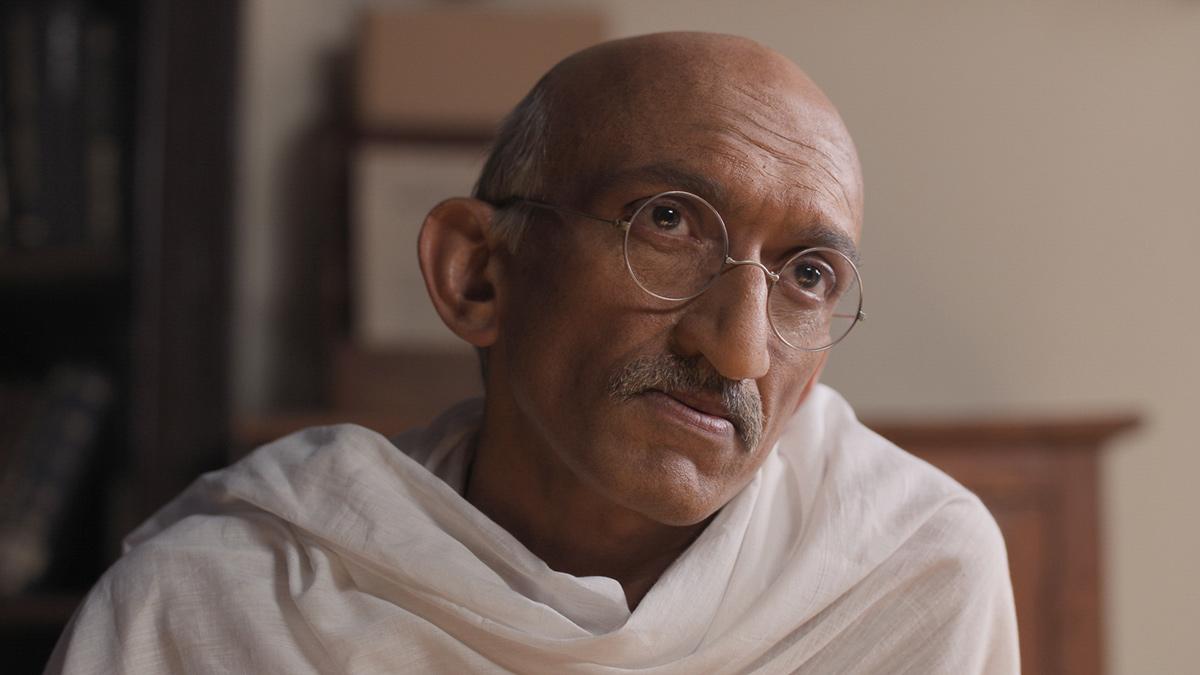
Chirag
Vohra
plays
Mahatma
Gandhi
in
Freedom
At
Midnight.
Nikkhil
Advani‘s
new
Web
series
Freedom
at
Midnight
is
based
on
Larry
Collins
and
Dominique
Lapierre’s
1975
book
set
in
the
last
year
of
the
British
Raj.
He
started
scripting
around
three-and-a-half
years
ago,
telling
the
events
from
August
16,
1946
to
January
30,
1948.
Starring
Sidhant
Gupta,
Ira
Dubey,
Arif
Zakaria,
RJ
Malishka
and
Chirag
Vohra,
the
series
will
stream
on
SonyLIV
from
November
15.
“You
surround
yourself
with
people
ready
to
jump
off
the
cliff
with
you
hoping
the
parachute
will
open,”
Advani
tells
Rediff.com
Senior
Contributor
Roshmila
Bhattacharya.
How
old
were
you
when
you
read
Freedom
of
Midnight
for
the
first
time?
I
would
imagine
I
was
16
then,
studying
in
the
10th
standard,
and
the
characters
just
jumped
at
me,
transporting
me
back
in
time
to
the
conversations
in
the
viceroy’s
office,
among
members
of
the
Congress
and
the
Muslim
League
in
the
last
year
of
the
British
Raj.
Larry
Collins
and
Dominique
Lapierre
are
visceral
writers,
so
the
book
is
not
a
dry
retelling
of
history
but
very
evocative.
I
remember
choking
up
with
emotion
at
various
points
as
I
read
about
a
major
in
the
army
or
a
refugee
uprooted
from
his
home
in
Rawalpindi,
characters
who
are
not
even
central
to
the
narrative.
I
have
read
the
book
several
times
since,
right
up
to
the
time
I
decided
to
bring
it
to
the
screen.
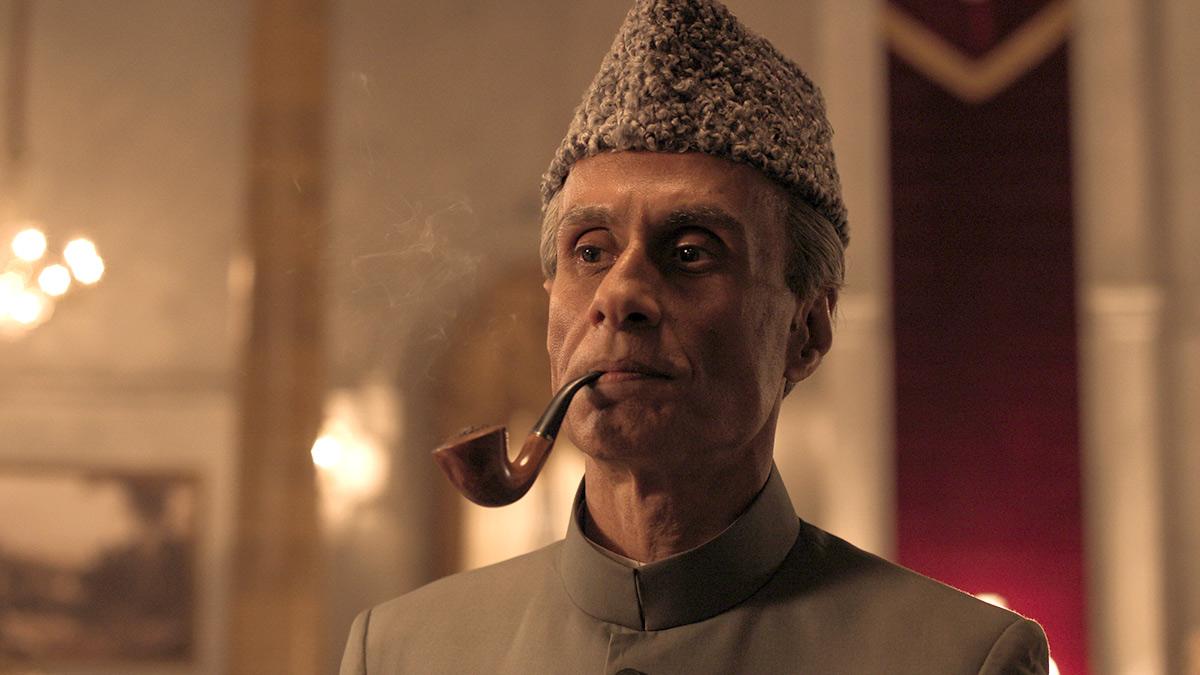
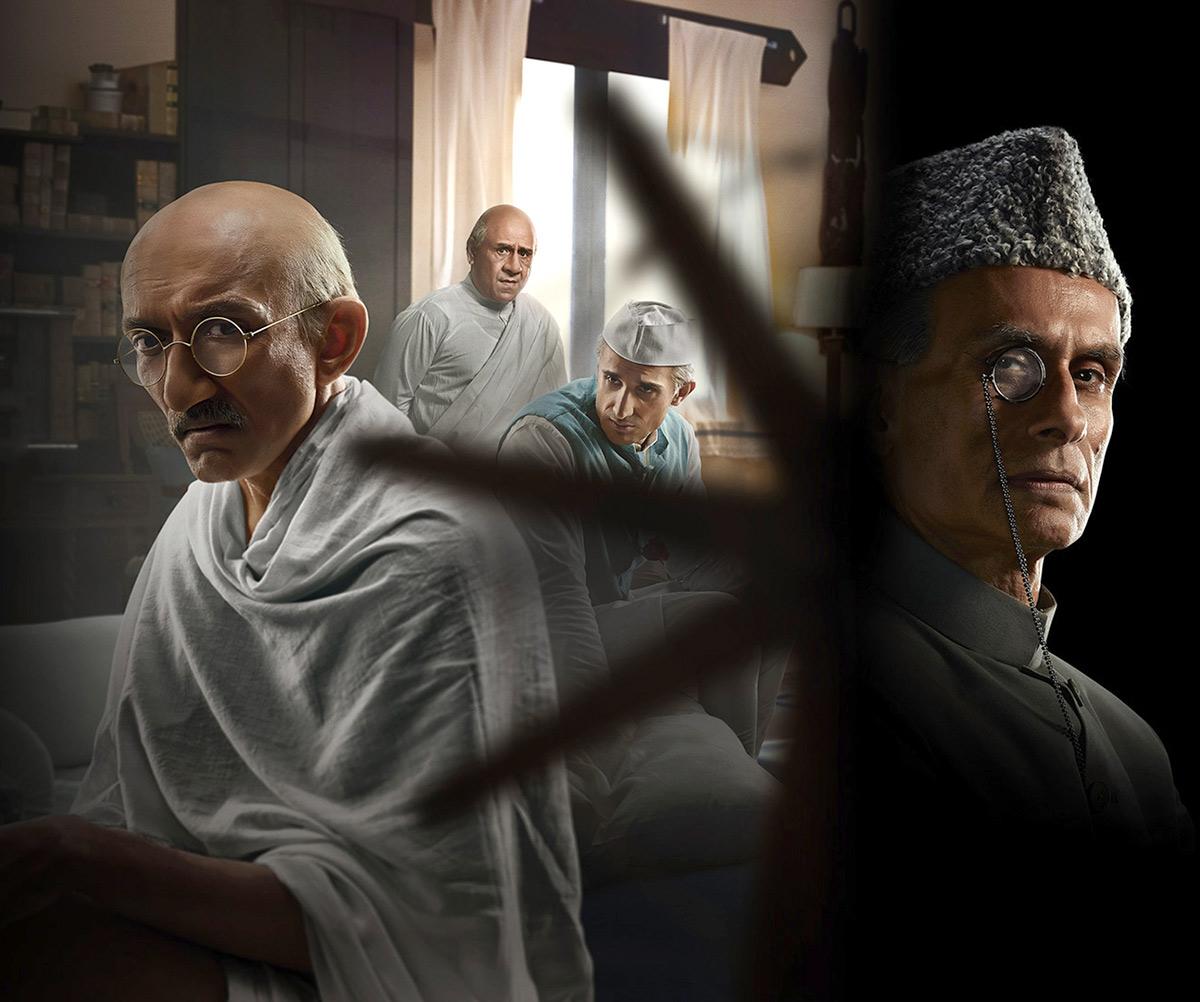
Arif
Zakaria
plays
Muhammad
Ali
Jinnah.
Was
the
experience
different
when
you
were
reading
it
as
someone
wanting
to
film
it?
Well,
yes.
Earlier,
I
was
enjoying
the
storytelling
like
any
reader.
But
four
years
ago,
when
I
took
on
the
responsibility
of
turning
a
favourite
book
of
many
into
an
OTT
series,
I
read
it
with
more
purpose
and
focus.
I
had
to
decide
how
to
adapt
this
vast
story,
what
to
keep
and
what
to
discard.
I
had
to
set
the
tone
and
literally
break
the
book
down
into
episodes
and
seasons.
Eventually,
we
decided
to
tell
the
events
as
they
happened
from
August
16,
1946,
Direct
Action
Day,
till
January
30,
1948.
Even
then,
it
was
not
simple
because
77
years
later,
we
have
the
powerful
tool
of
retrospect.
We
know
now
that
Muhammad
Ali
Jinnah
was
dying,
but
the
leaders
of
the
Congress
possibly
weren’t
aware
as
he
had
hidden
his
lung
X-ray
report.
Had
they
known,
maybe
they
would
have
not
agreed
to
his
demand
for
a
a
separate
nation
for
Indian
Muslims
and
the
Partition
would
not
have
happened.
I
want
to
take
my
audience
into
rooms
where
these
difficult,
life-altering
decisions
were
taken,
simulate
the
pressure
these
guys
were
under
when
making
them
based
on
what
little
information
was
available
to
them
at
the
time.
When
did
you
start
scripting?
Abhinandan
Gupta
and
I,
with
Gundeep
Kaur,
Adwitiya
Kareng
Das,
Ethan
Taylor,
Revanta
Sarabhai
and
Divya
Nidhi
Sharma,
started
scripting
three-and-a-half
years
ago.
Danish
Khan
and
Sauguta
Mukherjee,
head
and
content
head
of
SonyLIV,
offered
their
own
inputs,
both
being
big
fans
of
the
book
themselves.
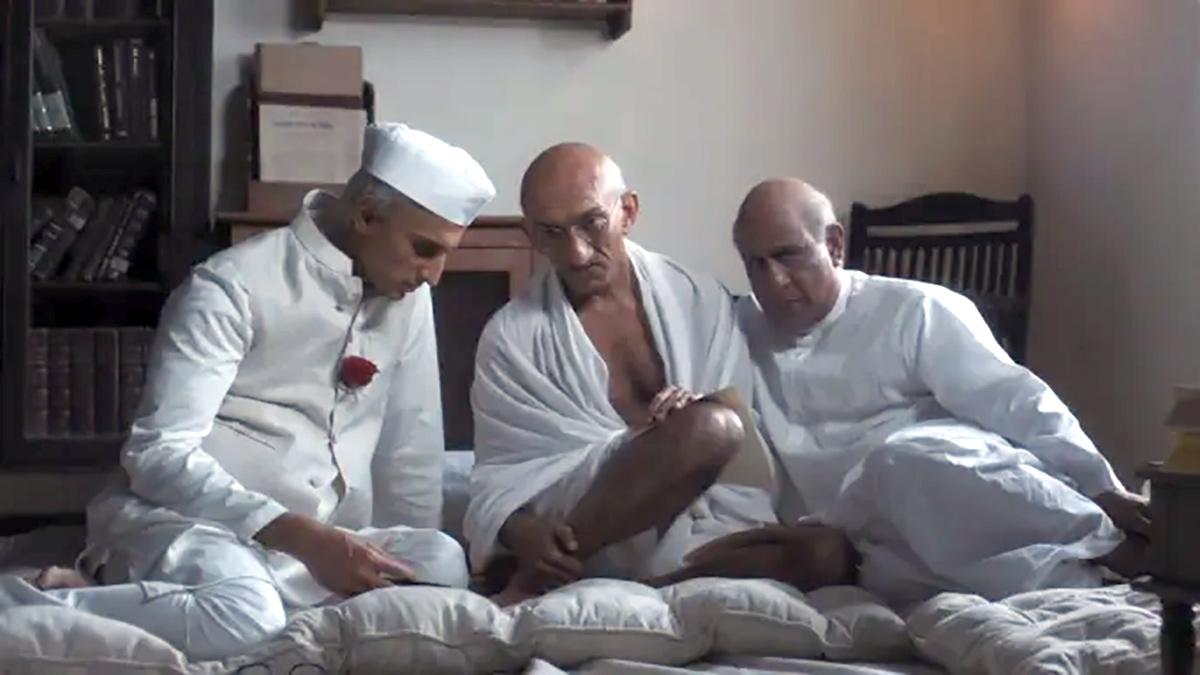
A
scene
from
Freedom
At
Midnight.
What
were
the
most
difficult
scenes
to
write
and
shoot?
The
exodus
scenes
were
the
most
difficult.
Thirty
million
people
were
uprooted
by
Partition
while
we
were
working
with
around
1,000
junior
artistes
at
the
most
and
had
to
rely
on
visual
effects
and
the
magic
of
cinema
to
recapture
those
scenes
of
mass
migration.
Another
challenge
was
matching
the
faces
of
the
actors
with
those
of
the
refugees
in
the
iconic
photographs
we
had
grown
up
seeing,
faces
which
had
turned
hard
from
all
the
suffering
they
had
endured.
We
shot
these
scenes
over
four
days,
two
in
a
desert
in
Rajasthan,
at
temperatures
of
50
degrees
Celsius,
many
actors
fainting
in
the
heat.
This
was
followed
by
another
two
days
on
a
railway
set
and
half
a
day
outside
Patiala
in
Punjab.
All
our
shoots
were
in
temperatures
of
40-42
degrees
Celsius,
with
Delhi
recording
52
degrees
when
we
were
filming
there.
Even
the
casting
of
the
principal
characters
like
Gandhi,
Nehru,
Patel,
Jinnah,
Fatima
Jinnah
and
the
Mountbattens
must
have
been
tough
since
they
are
familiar
faces
too.
Yes.
Usually
during
the
casting,
a
director
sits
with
his
ADs,
the
casting
director
and
his
assistants,
and
possibly
the
producer
to
consider
the
choice
of
acting
before
them.
But
in
this
instance,
the
final
call
was
Jagdish
Dada’s,
my
hair,
make-up
and
prosthetics
expert.
So
when
I
thought
Chirag
Vohra,
whose
work
as
an
actor
I
love
and
who
is
Gujarati,
was
perfect
to
play
Gandhi,
I
had
to
wait
for
Dada
to
tell
me
if
he
could
make
him
look
as
close
to
Gandhi
as
is
possible.
With
some
actors
he
would
take
an
hour
or
two,
with
others
it
was
longer.
I
also
didn’t
want
my
actors
to
do
any
other
work
for
a
year-and-a-half
as
I
was
clear
I
couldn’t
have
my
Gandhi,
Nehru
or
Sardar
Patel
be
seen
in
another
show
in
which
they
were
playing
characters
diametrically
opposite.
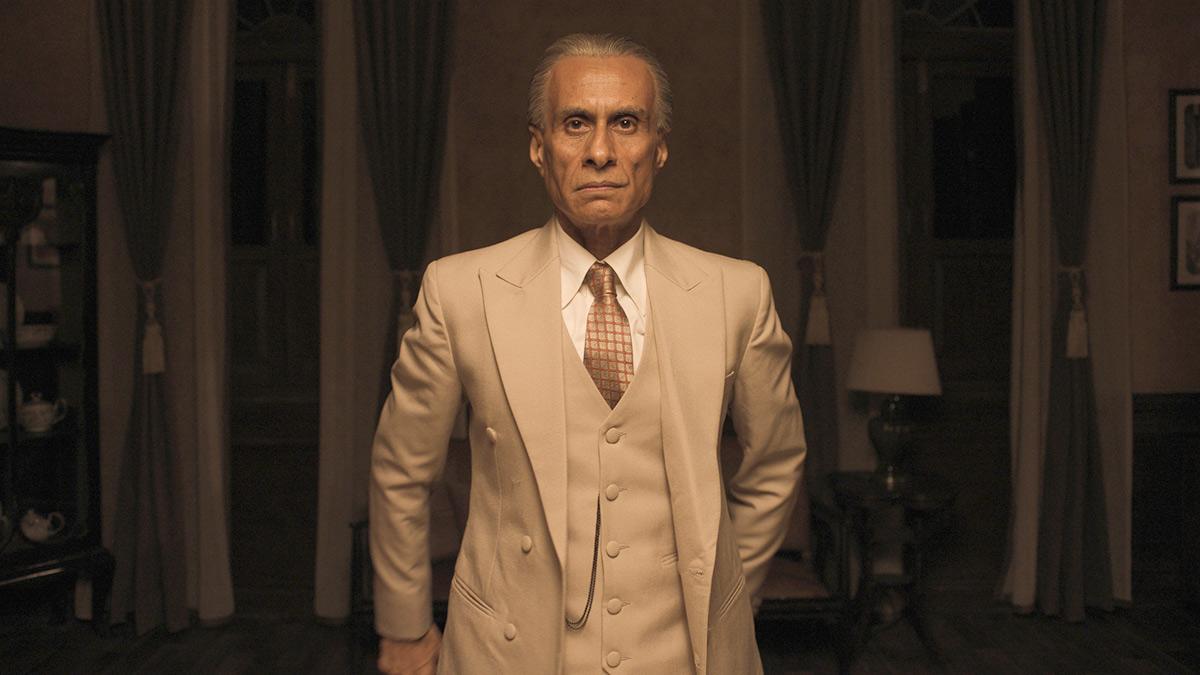
Arif
Zakaria,
who
plays
Muhammad
Ali
Jinnah,
must
have
taken
the
least
time
in
hair,
make-up
and
prosthetics?
Yes,
Arif’s
face
is
pretty
gaunt
and
his
colour
is
correct
too.
He
resembled
Jinnah
from
the
photographs
we
were
working
with.
Ira
Dubey
was
also
perfect
as
Fatima
Jinnah.
For
the
Jinnahs,
I
needed
actors
who
looked
westernised
as
both
were
Malabar
Hillies
partying
with
the
Parsis
of
South
Bombay.
Which
actor
took
the
longest
time
to
get
ready?
I
would
say
Sidhant
Gupta,
who
plays
Jawaharlal
Nehru.
Every
day,
for
the
55-60
days
he
was
shooting
with
us,
Sidhant
spent
four
hours
in
prosthetics
from
the
time
he
arrived
on
the
set.
We
Indians
usually
have
a
bulbous
nose,
what
Jadish
Dada
calls
a
‘pakora
nose’.
He
jokes
that
with
prosthetics
you
can
increase
a
nose,
but
to
decrease
it,
you
need
plastic
surgery.
He
was
very
particular
that
the
actor
playing
Nehru
had
to
have
a
sharp
nose.
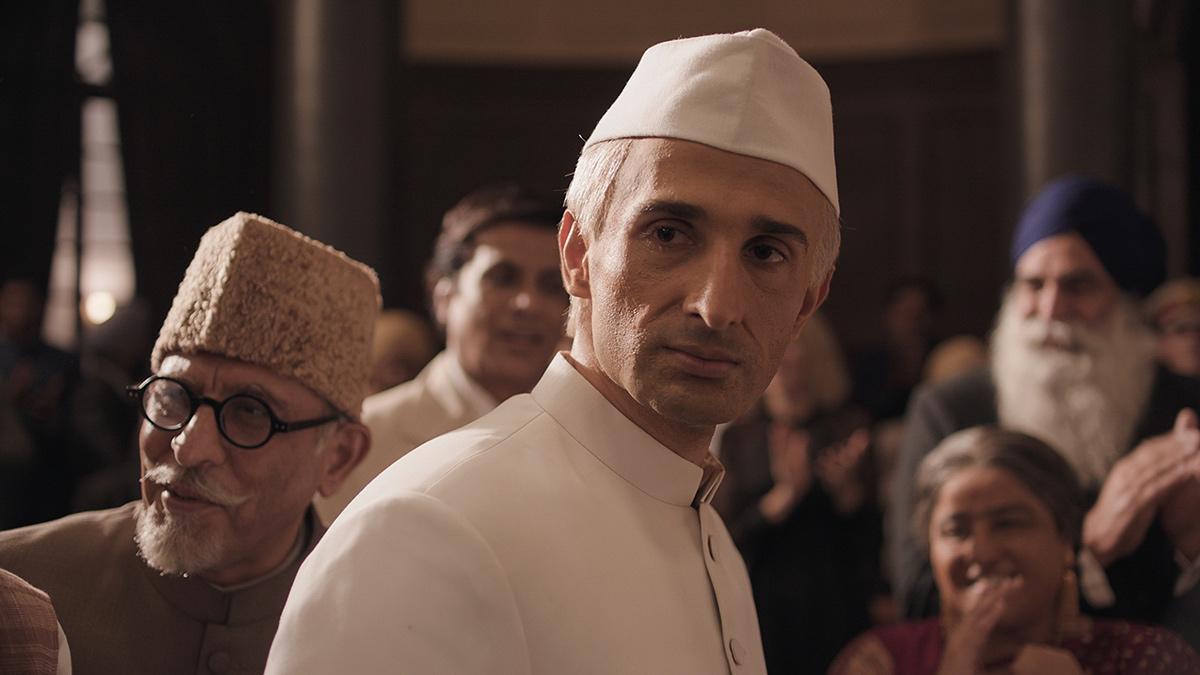
Sidhant
Gupta
as
Jawaharlal
Nehru.
All
these
challenges
must
have
made
the
show
overwhelming
for
you
as
its
creator-director?
Actually,
directing
two
seasons
of
Mumbai
Diaries,
and
being
the
showrunner
on
Rocket
Boys,
had
prepared
me
for
Freedom
at
Midnight.
In
long
form,
you
don’t
shoot
in
chronology.
When
at
a
particular
location,
you
film
scenes
from
episode
two,
episode
seven,
episode
15.
So,
you
surround
yourself
with
people
ready
to
jump
off
the
cliff
with
you
hoping
the
parachute
will
open.
My
HoDs
were
committed
to
my
vision
and
helped
me
execute
it.
Any
form
of
art
today
will
bring
along
some
controversies,
some
repercussions.
Doesn’t
that
worry
you
or
the
channel?
The
answer
lies
in
your
question.
Whatever
you
do
will
spark
controversies,
so
it
is
best
do
what
your
heart
tells
you
to
do.
Simple.
We’ve
already
had
a
tweet
from
Vivek
Agnihotri
based
on
the
trailer
accusing
you
of
whitewashing
or
gaslighting
history,
pointing
out
that
if
you’re
going
to
present
the
violent,
communal,
history
of
Partition,
you
should
at
least
show
who
was
the
perpetrator
and
who
was
the
victim.
When
he
tweeted,
the
trailer
had
not
been
released.
He
was
reacting
to
an
article.
Yeah,
well,
he
further
reiterates
in
the
tweet
that
this
wasn’t
just
a
riot.
It
was
a
Hindu
genocide,
and
it
had
a
religious
colour:
green.
Second,
the
violence
was
driven
solely
by
religion,
and
the
name
of
that
religion
was
Islam.
Hindus
never
asked
Muslims
to
leave
India,
he
states.
I
am
not
on
Twitter
and
all
I
can
tell
Vivek
is
to
watch
the
show
now.
The
Constitution
of
India
allows
everyone
the
freedom
of
expression,
that’s
our
fundamental
right.
In
the
show,
we
are
talking
about
Babasaheb
Ambedkar
and
the
drafting
committee
of
the
Constitution
too
who
allowed
the
citizens
of
this
country
to
defend
and
criticise.
My
request
to
all
would
be,
‘Ek
baar
dekh
lo,
phir
discuss
karte
hain.’
