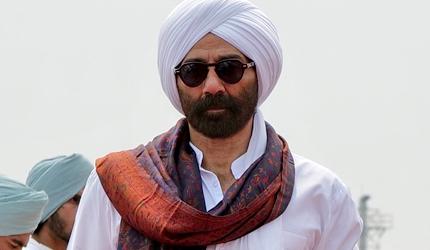
‘Jaat
is
not
just
a
community,
an
agent,
or
an
individual;
it’s
an
emotion.’
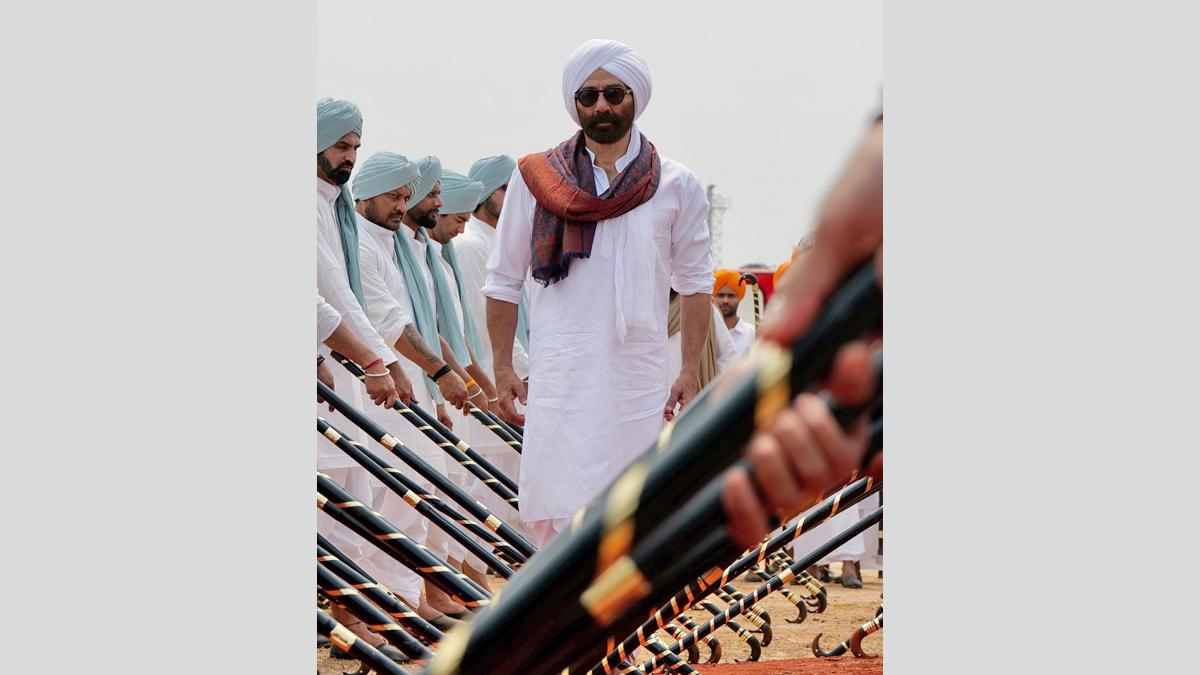
Sunny
Deol
in
Jaat.
Photograph:
Kind
courtesy
Sunny
Deol/Instagram
After
the
roaring
success
of
Gadar
2,
Sunny
Deol
returns
with
the
action-packed
film
Jaat,
slated
for
release
on
April
10.
The
actor,
alongside
Randeep
Hooda,
Viineet
Kumar
Siingh,
Saiyami
Kher,
Jagapathi
Babu
and
Ramya
Krishna,
is
set
to
show
the
audience
some
more
action.
Even
after
being
a
part
of
the
industry
for
decades,
Sunny
still
feel
nervous
before
a
release.
“There
is
always
a
tension,
there
is
always
fear,”
he
confessed,
reflecting
on
the
nerves
that
accompany
any
new
film.
Despite
the
love
Jaat‘s
trailer
has
received,
he
remains
cautiously
optimistic,
hoping
that
the
film
will
get
the
same
reception.
“If
the
movie
gets
the
same
love
and
support
as
the
trailer,
it
will
be
appreciated,”
he
added.

Sunny
Deol
in
Jaat.
Photograph:
Kind
courtesy
Sunny
Deol/Instagram
Sunny
also
spoke
about
his
relationship
with
criticism.
He
revealed
that
early
in
his
career,
he
did
feel
the
sting
of
negative
feedback
but
over
time,
he
has
learned
to
rise
above
it.
Has
he
ever
sought
guidance
from
his
superstar
father
Dharmendra
after
receiving
critical
reviews?
“Pehle
log
kuch
bhi
likhte
the
toh
mujhe
acha
nahi
lagta
tha…
lekin
main
kabhi
papa
ke
paas
nahi
gaya”
(Earlier,
when
people
used
to
write
anything,
I
didn’t
like
it…
but
I
never
went
to
my
father),”
he
replied.
“I
always
thought
to
myself,
why
did
I
do
this?
Then
I
understood
what
they
are
saying
and
what
I
have
done,
there
is
a
lot
of
difference.”
He
added
that
while
he
doesn’t
dismiss
feedback
completely,
he
no
longer
takes
it
seriously.
“I
don’t
take
those
opinions
seriously.
I
know
what
I
am
doing,
what
I
have
to
do,”
he
said,
emphasising
the
importance
of
self-reflection
over
external
validation.
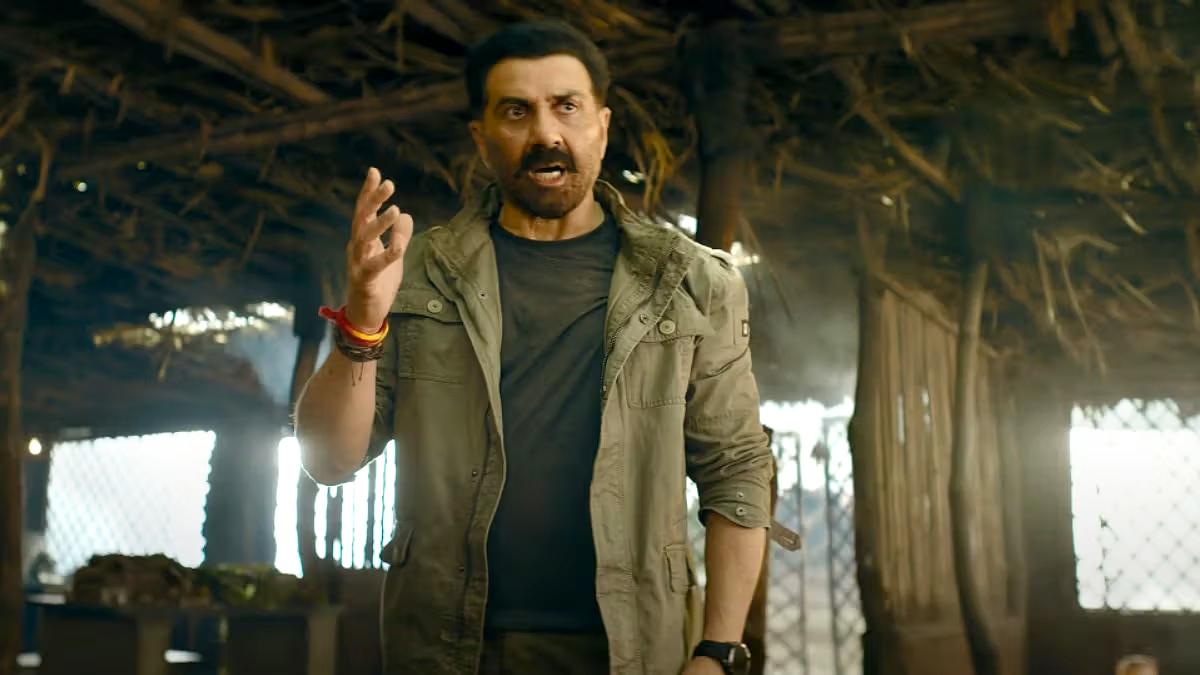
Sunny
Deol
in
Jaat.
Sunny
also
revealed
that
while
he
respects
reviews,
he
doesn’t
let
them
affect
his
decisions
or
confidence.
“Cinema
is
made
for
the
audience,
their
reviews,
they
come
and
watch
it,
they
like
it,
that
is
what
matters,”
he
explained,
emphasising
that
the
true
judgment
comes
from
the
people
who
invest
in
the
experience.
Known
for
his
fierce
on-screen
persona,
especially
in
high-voltage
action
scenes,
Sunny
Deol
also
reflected
on
how
he
manages
his
anger
both
on
and
off-camera.
“Anger
will
always
be
anger,
whether
I
do
it
in
cinema
or
in
front
of
the
camera,
or
personally,”
he
shared.
“In
real
life,
I
try
to
control
it.
But
when
it
comes,
it
comes
as
it
is…
you’ll
see
it
on
my
face,”
he
added.
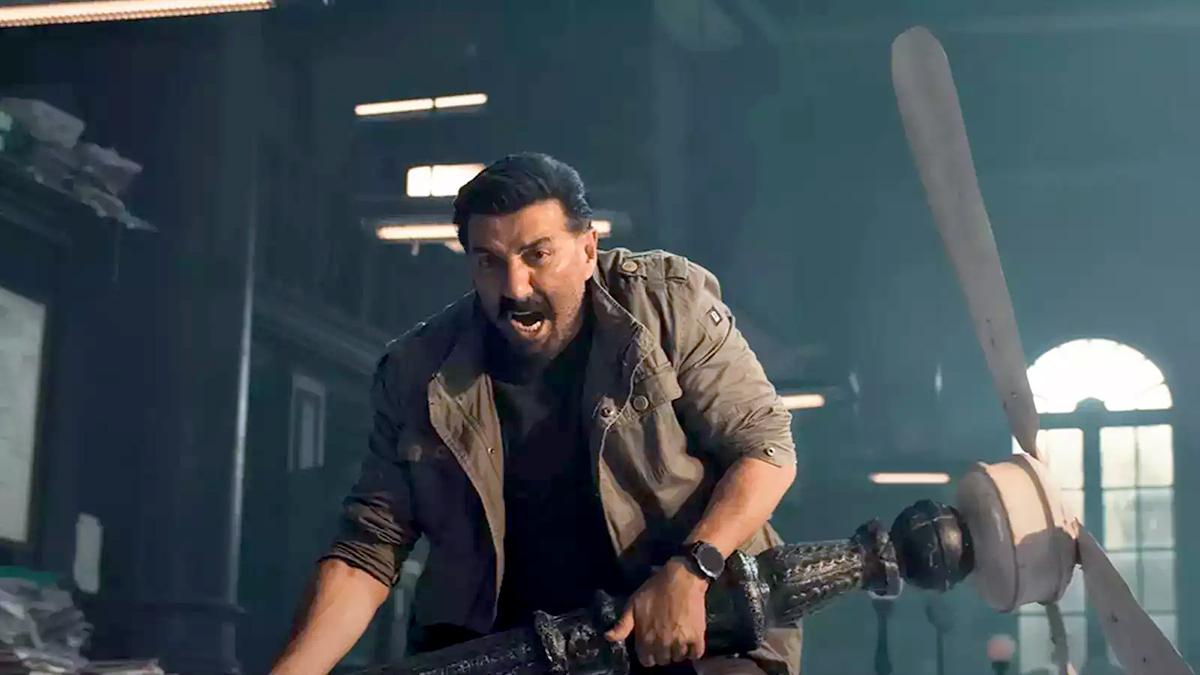
Sunny
Deol
in
Jaat.
As
a
seasoned
actor
with
over
four
decades
in
the
industry,
Sunny
reflected
on
how
his
acting
journey
has
evolved
from
the
days
of
Betaab
to
Jaat.
“I
was
21-24
years
old
(then),
now
I
am
67,”
he
said.
“The
basics
will
remain
the
same,
the
grassroots,
our
culture,
our
love,
our
family,
will
remain
the
same,”
he
shared,
stating
that
while
the
film
industry
may
evolve
in
terms
of
technology
and
storytelling,
the
emotional
core
of
his
work
remains
unchanged.
Jaat
has
been
directed
by
Gopichand
Malineni.
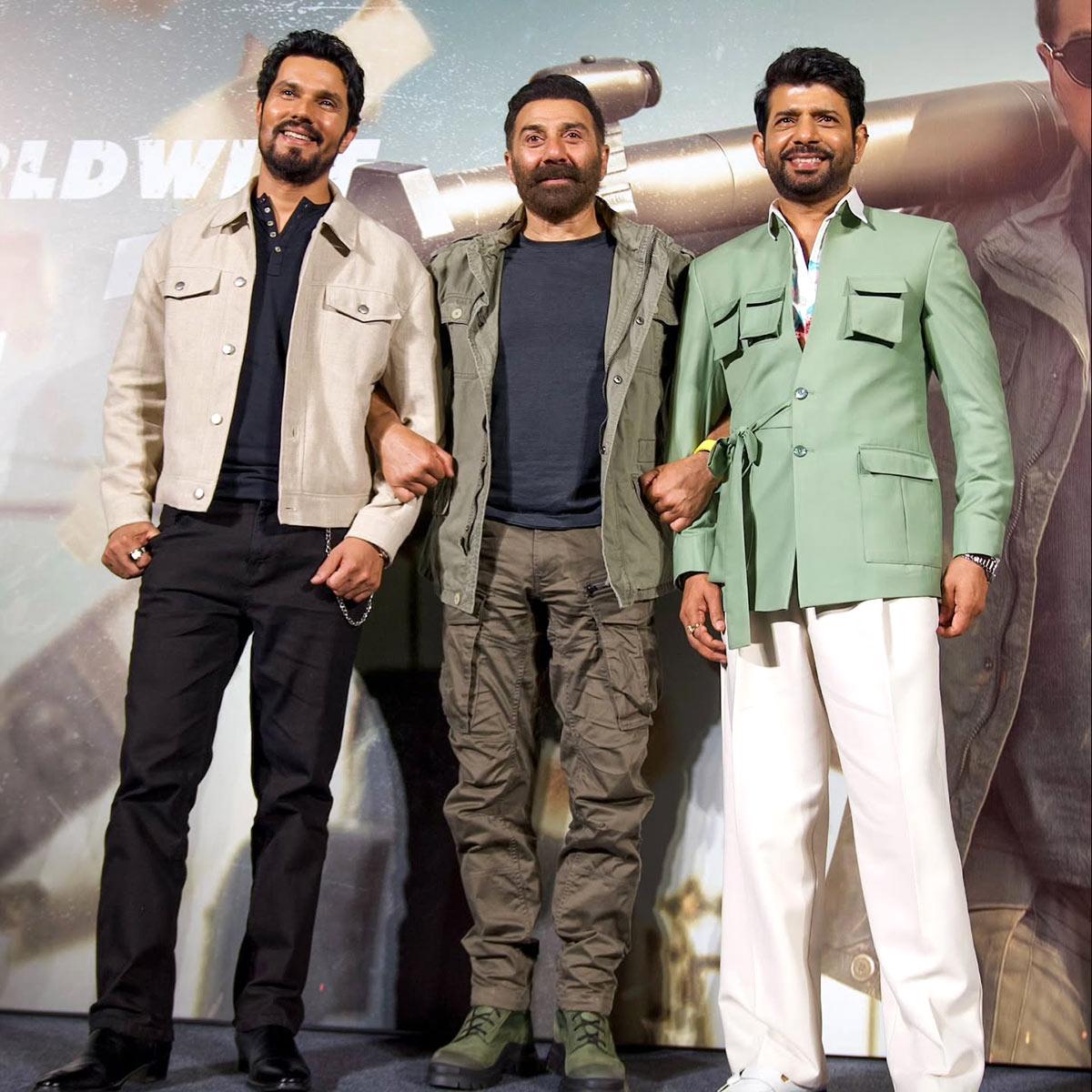
Sunny
Deol,
Randeep
Hooda
and
Viineet
Singh
Kumar
promote
Jaat.
Photograph:
Kind
courtesy
Sunny
Deol/Instagram
Meanwhile,
Sunny’s
co-star
Randeep
Hooda,
who
plays
the
antagonist
Rana
Tunga,
discusses
the
significance
of
the
word
‘Jaat‘.
“In
the
movie,
Jaat
is
not
just
a
community,
an
agent,
or
an
individual;
it’s
an
emotion,”
he
said.
“Jat
people
are
known
for
their
patriotism,
justice,
action,
truth,
daring,
soft
hearts,
anger
and
love.
I
am
a
Jat
myself.
When
I
first
heard
of
the
movie,
I
thought,
why
am
I
not
playing
a
Jat
role?
But
then
I
realised
that
Sunny
Sir
is
doing
the
Jat
role,
and
I
am
happy
to
be
part
of
this
film
in
the
role
of
Rana
Tunga.”
“At
the
end
of
the
day,
the
film
glorifies
the
Jat
community
or
emotion,
and
I’m
grateful
to
be
a
part
of
it,”
he
added.
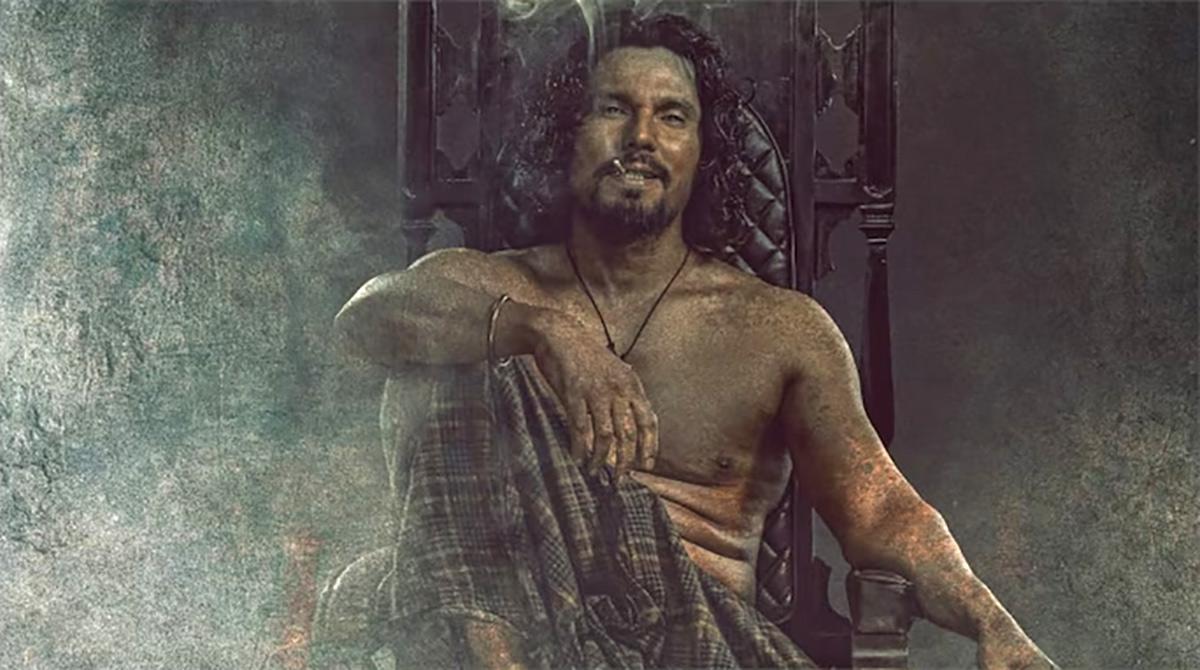
Randeep
Hooda
in
Jaat.
Randeep
also
discussed
his
recent
knee
surgery
and
the
challenges
of
returning
to
action
films.
“If
you
lose
more
weight
due
to
malnutrition,
it
impacts
your
health.
But
I
didn’t
do
it
on
purpose;
it
was
part
of
the
role’s
requirements,”
he
said.
“Despite
the
discomfort,
working
in
Jaat was
a
huge
relief.
Coming
back
to
action
films,
especially
in
a
commercial
film,
was
a
great
experience.
I
had
a
bit
of
pain
but
wanted
to
push
through
it.”

Viineet
Kumar
Siingh
in
Jaat.
Viineet
Kumar
Siingh,
known
for
his
diverse
acting
skills
in
recent
movies
like
Chhaava
and
Superboys
of
Malegaon,
shared
his
excitement
about
Jaat.
“When
I
found
out
that
Sunny
sir
was
part
of
the
film,
I
immediately
agreed
to
do
it.
I
didn’t
even
read
the
script
at
first;
it
was
a
no-brainer.
The
opportunity
to
work
with
someone
like
Sunny
sir
was
too
good
to
pass
up,”
Vineet
said.
“I
met
the
director,
Gopichand
Malineni,
who
narrated
the
film
to
me.
Within
10
minutes,
everything
was
finalised,
and
I
was
ready
to
dive
into
the
role.”
Both
Randeep
and
Viineet
agreed
that
while
critical
reviews
are
important,
the
true
success
of
a
film
lies
in
its
ability
to
connect
with
audiences.
“The
box
office
collection
shows
how
many
people
went
to
watch
the
movie,”
Randeep
explained,
adding,
“When
the
collection
is
high,
it
means
that
so
many
people
showed
up,
and
that’s
the
biggest
reward
for
any
artist.
The
love
and
respect
from
the
audience,
especially
those
who
buy
tickets
and
come
to
watch
the
film,
is
what
truly
matters.”
Both
actors
also
highlighted
the
importance
of
having
complete
trust
in
the
director
during
the
filmmaking
process.
Randeep,
who
made
his
directorial
debut
with
the
2024
film
Swatantrya
Veer
Savarkar,
shared
his
perspective,
saying,
“As
an
actor,
you
must
trust
the
director
completely.
Even
though
you
bring
your
own
viewpoint
and
suggestions
to
the
table,
the
final
decision
should
rest
with
the
director.
If
the
film
is
made
from
the
director’s
perspective,
it
will
be
a
cohesive
and
good
film.”
Viineet
added:
“As
an
actor,
my
job
is
to
surrender
to
the
director’s
vision.
I
come
prepared,
share
my
thoughts,
and
then
leave
it
to
the
director.
In
the
end,
the
director
is
the
captain
of
the
ship,
and
whatever
suggestions
I
have,
they
are
just
that
—
suggestions.”