
Kesari
Chapter
2
has
more
style
than
substance
on
its
mind,
discovers
Sukanya
Verma.
As
is
usually
the
case,
the
untold
story
in
Kesari
Chapter
2
is
actually
an
inaccurate
one
wherein
history
is
juggled
and
chronology
is
shuffled
for
the
sake
of
drama.
True
identities
and
occurrences
are
evoked
but
tweaked
beyond
recognition
to
design
a
chapter
in
India’s
pre-Independence
era
that
sounds
far
more
sensational
when
told
through
the
prism
of
film-making.
So
a
case
of
libel
becomes
a
fight
against
genocide
and
a
devil’s
advocate
transforms
into
an
F-word
blasting
freedom
fighter
as
fictionalised
twists
and
turns
are
tossed
until
an
over
five-week
long
courtroom
battle
acquires
the
air
of
a
spectacle
that’s
nationalist
and
cinematic
in
equal
measure.
Knighted
by
the
British,
member
of
the
viceroy
council,
president
of
the
Indian
Congress
and
eminent
lawyer,
Sir
Chettur
Sankaran
Nair
did
a
world
of
good
when
he
stuck
to
his
guns
after
Michael
O’Dwyer
—
Punjab’s
lieutenant-governor
from
1913-1919
—
sued
him
in
a
defamation
case
for
criticising
the
latter’s
role
in
the
Jallianwala
Bagh
massacre
in
the
book,
Gandhi
and
Anarchy.
In
the
movie,
based
on
Raghu
and
Pushpa
Palat’s
book
The
Case
That
Shook
the
Empire,
O’Dwyer
is
a
largely
peripheral
figure
in
the
story,
marking
his
attendance
every
now
and
then
with
a
smirk
or
smoking
into
the
screen.
Instead,
roles
are
reversed
as
it
is
Nair
filing
a
lawsuit
against
the
Crown
and
General
Reginald
Dyer
for
the
bloodshed
in
Amritsar’s
Jallianwala
Bagh
where
countless
men,
women
and
kids
are
mercilessly
gunned
down
at
Dyer’s
orders.
Writer-director
Karan
Singh
Tyagi’s
period
piece
begins
with
poetically
composed
snapshots
of
Nair
receiving
his
knighthood
at
the
same
moment
as
the
carnage
with
scenes
intercutting
between
that
of
honour
and
horror.
Actually
though,
the
dates
do
not
correspond.
The
lawsuit
took
place
in
London,
not
Amritsar,
and
Nair
didn’t
fight
his
own
case.
He
was
represented
by
Sir
Walter
Schwabe.
Authenticity
be
damned,
so
long
as
Nair
goes
all
blazing
guns
after
the
empire
and
makes
his
point
about
declaring
the
British
as
guilty.
While
there’s
undeniable
patriotism
sparking
merit
in
its
ideals,
Kesari
2,
a
spiritual,
saffron
sequel
to
the
first
one
that
focused
on
Battle
of
Saragarhi
in
1897,
is
tediously
one-note
in
its
insights
and
enthusiasm.
An
Indian
underdog
standing
up
to
its
British
masters
and
emerging
triumphant
on
moral
or
historical
grounds
is
a
done-to-death
premise
and
feels
more
burned
out
than
ever
when
harping
back
on
the
same
old
arguments
of
their
conceit
and
our
rebellion.
Aristocratic
desiS
changing
their
mind
about
serving
racist
British
lords
and
fighting
for
their
country’s
cause
when
meted
out
the
Dogs
and
Indians
not
allowed
treatment,
encounters
with
young
martyrs
and
old
bringing
about
a
shift
in
conscience,
going
all
ballistic
on
the
robotic
Hindi-speaking
goraS
while
they
scowl
away
in
the
tradition
of
Bob
Cristo,
the
déjà
vu
Kesari
2
throws
our
way
is
relentless
and
exhausting.
The
main
source
of
this
monotony
is
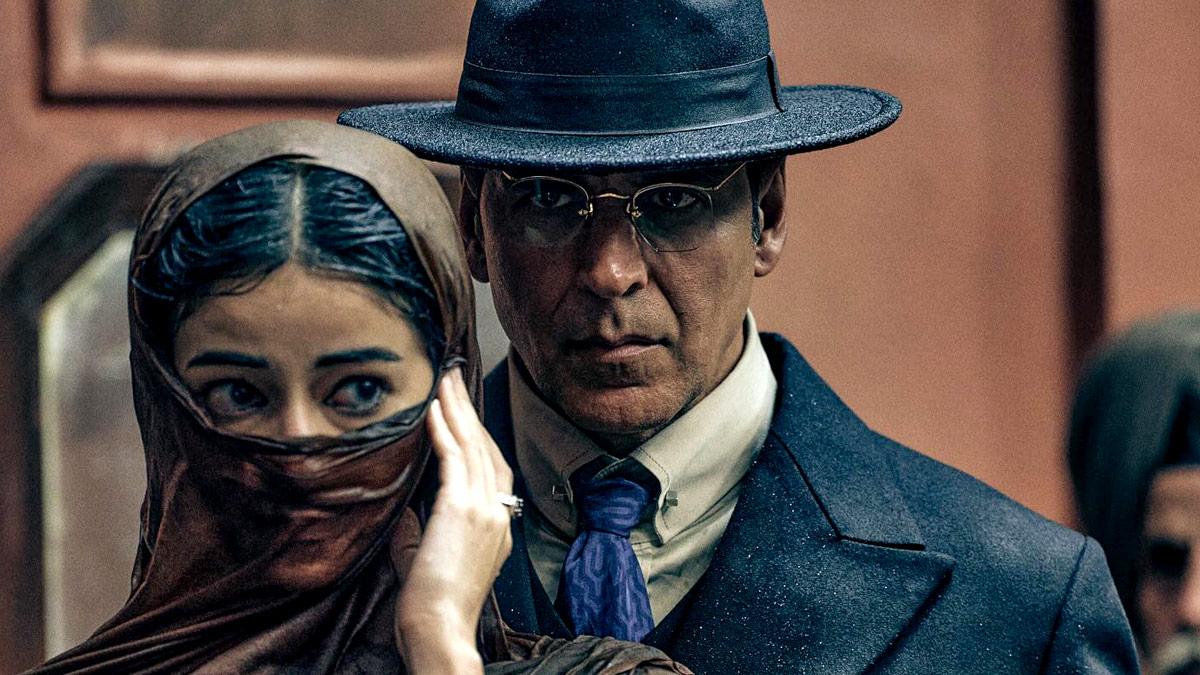
Akshay
Kumar.
Playing
yet
another
real
life
hero
with
the
same
righteous
rage
he’s
turned
into
his
calling
card,
the
actor’s
‘more
of
the
same’
shtick
has
long
lost
its
appeal.
Making
his
entry
like
a
true
Bollywood
hero
only
after
the
court
proceedings
have
commenced,
a
swaggeringly
Akshay
walks
into
the
room
with
his
black
robe
floating
like
Batman’s
cape
and
a
gallant
music
in
the
background
announcing
his
arrival
against
awe
and
amazement.
Expect
nothing
less
as
soon
Vicky
Kaushal’s
voiceover
tells
us
how
our
man’s
well-versed
in
the
art
of
everything
from
Kathakali
to
‘kalam‘.
Hogging
all
the
limelight
as
usual,
Akshay’s
monologues
or
below-the-belt
jibes
on
the
Empire
leave
little
room
for
his
co-stars
to
show
off
their
mettle.
Despite
her
best
intentions
and
wide-eyed
idealism,
Ananya
Panday’s
lady
lawyer
is
reduced
to
a
glossy
side-kick
looking
for
breakthroughs
in
heritage
buildings
and
dusty
files.
Both
her
and
Regena
Cassandrra,
in
the
role
of
Nair’s
wife,
exude
the
stylish
perfection
of
a
vintage
postcard
but
never
go
beyond
personal
or
professional
anchors
to
the
leading
man.
Like
Akshay,
R
Madhavan,
too,
appears
to
be
stuck
in
a
rut.
Repeating
his
eccentric,
offensive,
meanie
gig
as
Nair’s
opponent
in
court,
he
growls
and
grimaces
away
to
glory.
We
are
informed
how
he
and
Nair
used
to
be
friends
but
forget
a
glimpse
of
their
frenemy
camaraderie,
there’s
no
dialogue
to
suggest
they
ever
had
any
history.
Too
often,
the
slickly
put
together
Kesari
2,
replete
with
Masaba
doling
out
a
1920s-style
cabaret
and
Akshay
in
his
fancy
retro
hats,
has
more
style
than
substance
on
its
mind.
What’s
more
interesting
if
only
fleetingly
addressed
is
how
Dyer,
played
to
beastly
perfection
by
Simon
Paisley
Day,
was
possibly
a
victim
of
his
own
wobbly
mind
and
unaddressed
childhood
trauma
resulting
in
lifelong
toxicity.
If
only
the
makers
had
dug
deeper
into
his
complexities
as
well
as
Nair’s
politics
and
struggle
instead
of
concocting
romantic
scandals
in
the
garb
of
rape
accusations
or
white
protestors
painting
black
paint
on
a
brown
lawyer,
Kesari
2
could
be
a
work
of
some
nuance.
Ultimately,
the
script
resorts
to
A
Few
Good
Men‘s
iconic
approach
to
drag
a
confession
out
of
the
bad
guys.
Funny
how
little
that
means
in
the
court
of
law
set
by
Bollywood
standards.
Kesari
Chapter
2
Review
Rediff
Rating:

