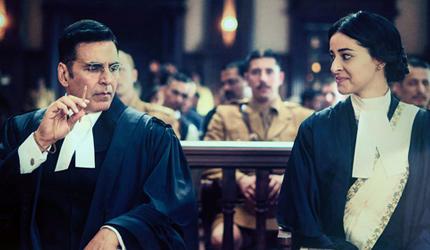
If
you
disregard
history
and
are
ready
to
watch
Kesari
2
purely
as
an
entertainer,
you
are
definitely
going
to
enjoy
it,
notes
Utkarsh
Mishra.
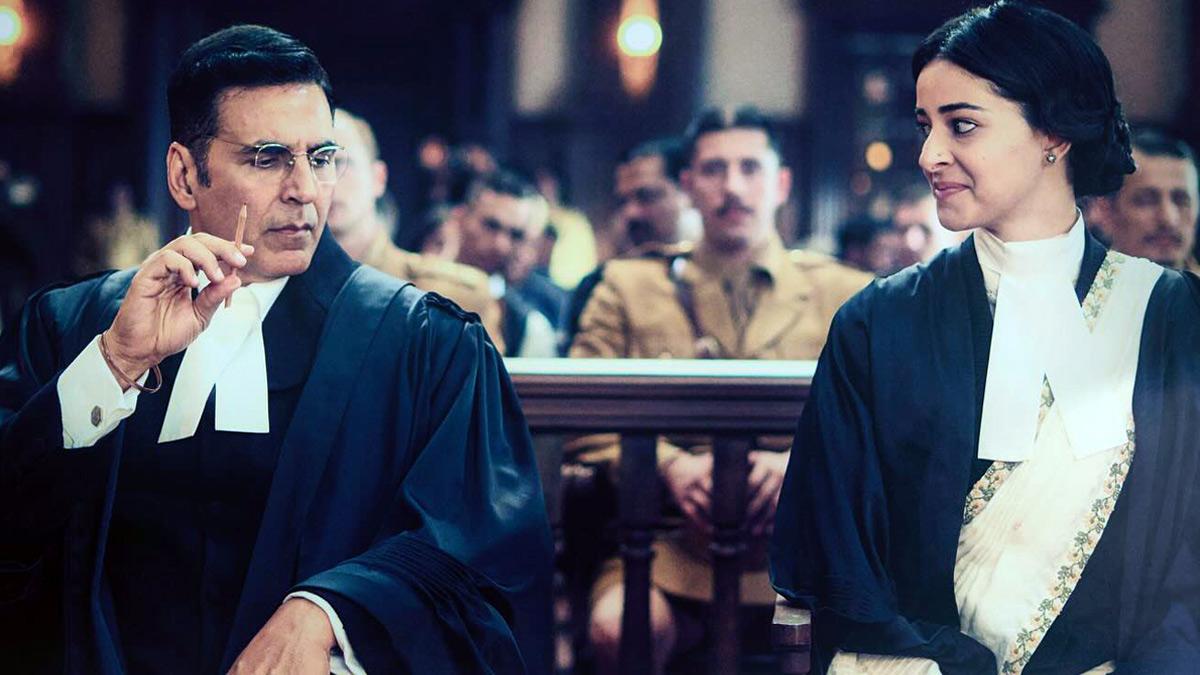
The
title
of
Akshay
Kumar’s
latest
period
drama
Kesari
Chapter
2
claims
to
reveal
‘the
untold
story
of
Jallianwala
Bagh’.
But
the
very
first
line
of
its
long
disclaimer
calls
it
a
‘pure
work
of
fiction’.
This
clears
the
doubts
of
those
who
were
wondering
which
story
of
Jallianwala
Bagh
remained
untold
even
after
106
years.
Of
course,
a
pure
work
of
fiction
is
automatically
an
untold
story.
Just
that
it
uses
some
real-life
characters
and
events
and
also
claims
to
be
‘based
on’
the
book
The
Case
That
Shook
the
Empire
by
Raghu
Palat,
a
great-grandson
of
Sir
C
Shankaran
Nair,
and
Pushpa
Palat.
Honestly,
I
did
not
find
anything
in
the
movie
that
seemed
‘based
on’
that
book,
except
for
the
fact
that
there
was
a
prominent
Indian
lawyer
and
jurist
named
Sir
C
Sankaran
Nair,
and
he
fought
a
court
case
that
revolved
around
the
happenings
in
Punjab
under
martial
law
in
1919,
especially
the
Jallianwala
Bagh
massacre.
Sometimes,
it
feels
personally
insulting
that
mainstream
Bollywood
still
thinks
that
if
it
doesn’t
dramatise
a
story,
doesn’t
portray
things
in
a
clear
black-and-white
manner,
doesn’t
tell
the
viewers
when
to
cry
and
when
to
applaud
(by
way
of
the
often-ridiculous
background
score),
then
the
audience
will
not
enjoy
or
even
understand
the
film
appropriately.
And
so
begins
Kesari
2,
with
the
poignant
and
infuriating
scenes
of
Jallianwala
Bagh
on
April
13,
1919.
The
beginning
is
really
impactful
and
gives
you
a
lump
in
the
throat.
A
background
voice
informs
the
viewers
how,
during
the
Great
War,
Indians
helped
the
British
Raj
in
the
hope
of
getting
their
freedom
in
return.
But
the
Crown
cheated
them
by
extending
the
emergency
powers
instead,
by
way
of
the
Rowlatt
Act.
It
threw
Punjab,
which
had
supplied
the
largest
number
of
soldiers
in
the
war,
into
disorder,
and
a
large
number
of
protests
and
demonstrations
broke
out.
To
quell
these
protests,
Brigadier
General
Reginald
Dyer
ordered
his
soldiers
to
open
fire
at
the
crowd
assembled
at
Jallianwala
Bagh
to
celebrate
Baisakhi,
while
a
non-violent
protest
against
the
Rowlatt
Act
was
also
going
on.
It
contrasts
the
scenes
of
the
massacre
and
its
aftermath
with
the
life
of
Sir
Sankaran
(played
by
Akshay
Kumar),
shown
as
a
loyal
advocate
of
the
Crown
who
is
knighted
for
his
services.
Sir
Sankaran
does
not
believe
in
revolutionary
movements
and
is
shown
helping
the
government
convict
revolutionary
leaders.
His
moment
of
epiphany
comes
when,
as
a
member
of
the
Viceroy’s
Executive
Council,
he
is
called
upon
to
join
a
commission
of
inquiry
into
the
Jallianwala
Bagh
incident,
and
his
reservations
are
sidelined.
A
conscience-stricken
Nair
‘sues
the
Empire
for
genocide’
with
the
help
of
a
woman
lawyer,
played
by
Ananya
Panday.
The
British
engage
another
accomplished
lawyer,
played
by
R
Madhavan,
to
‘defend
the
Empire’,
helped
by
the
fact
that
he
holds
a
personal
grudge
against
Sir
Sankaran.
From
here,
the
film
proceeds
just
like
any
other
courtroom
suspense
thriller,
with
legal
maneuvers
and
stunning
revelations
eliciting
claps
and
cheers
from
the
audience.
Sir
Sankaran
eventually
loses,
because
the
judge
and
jury
have
all
been
either
threatened
or
lured
by
the
higher
officials.
However,
he
plays
a
trick
to
bring
out
‘the
truth’
that
leads
to
General
Dyer
and
Michael
O’Dwyer,
the
then
lieutenant
governor
of
Punjab,
to
face
the
consequences
of
their
actions.
The
story
has
been
told
quite
forcefully,
and
I
must
admit
that
if
I
didn’t
know
anything
about
the
subject,
I
would
have
really
enjoyed
it,
as
did
others
in
the
theatre.
There
were
several
moments
where
people
clapped,
cheered,
laughed
and
shed
tears.
Thus,
the
film
is
a
pure
entertainer.
There
are
multiple
scenes
that
are
very
well
shot
and
deserve
admiration.
As
regards
its
historical
accuracy,
the
director,
producers
and
writers
have
indemnified
themselves
by
calling
it
a
work
of
fiction
based
on
real
events.
But
at
the
end,
just
before
the
credits
roll,
there
come
several
slides
that
show
what
happened
to
the
personalities
portrayed
in
the
film:
Sir
Sankaran,
Dyer
and
O’Dwyer.
In
my
opinion,
this
is
akin
to
insinuating
that
people
were
watching
history
so
far,
and
so,
effectively
nullifies
that
disclaimer.
The
inspiration
for
the
script
is
the
famous
case
of
Nair
v.
O’Dwyer,
which
was
a
defamation
suit
filed
in
the
high
court
of
London
by
O’Dwyer
against
Sir
Sankaran
for
calling
him
responsible
for
the
atrocities
in
Punjab
in
1919,
in
his
book
Gandhi
and
Anarchy.
The
movie
uses
some
real
names
from
this
incident
and
cooks
up
a
story
around
them,
like
those
of
Judge
Henry
Alfred
McCardie
and
Professor
Harold
Laski.
McCardie
is
initially
shown
as
sympathetic
to
Indians,
but
eventually
sides
with
the
Crown,
lured
by
an
offer
of
promotion
as
a
judge
of
the
London
high
court.
That
is,
of
course,
far
from
the
truth
because
McCardie
never
served
in
any
Indian
court
and
was
already
a
high
court
judge
at
the
time
of
this
case.
And
he
was
certainly
not
sympathetic
to
Indians.
Rather,
he
was
quite
opinionated
in
favour
of
O’Dwyer
and
General
Dyer
and
believed
that
their
actions
ensured
the
security
of
the
Empire.
It
was
his
forceful
interjections
during
the
trial
that
led
Professor
Laski,
a
member
of
the
jury,
to
cast
the
only
dissenting
vote
in
the
case
—
a
vote
that
ensured
Nair
was
not
handed
a
decisive
defeat
and
opened
a
way
for
a
compromise,
as
part
of
which
O’Dwyer
dropped
his
demand
for
a
public
apology
from
Nair.
This
brings
us
to
the
portrayal
of
Professor
Laski
in
the
movie.
Wrongly
referring
to
him
as
‘Mr
Laksi’,
Akshay
Kumar’s
Nair
insinuates
that
he
and
a
couple
of
other
members
of
the
jury
were
paid
to
change
their
vote
in
General
Dyer’s
favour.
It
was
at
this
point
that
the
movie
stopped
being
entertaining
for
me.
It
is
one
thing
to
write
a
fictional
script
based
on
true
events.
It
is
completely
another
to
twist
the
events
so
thoroughly
and
malign
a
person
of
high
standing
like
Professor
Laski,
who
had
a
much
more
favourable
opinion
of
the
Indian
freedom
movement.
Moreover,
although
O’Dwyer
v.
Nair
became
a
sensational
case
and
was
widely
reported
in
the
media
—
both
British
and
Indian
—
and
it
was
due
to
these
reports
that
many
people
came
to
know
about
the
horrors
committed
in
Punjab
under
martial
law,
it
was
not
the
consequence
of
this
case
that
led
to
action
being
taken
against
General
Dyer.
After
the
massacre,
a
formal
inquiry,
known
as
the
Hunter
Commission,
condemned
Dyer’s
actions
as
a
grave
error
and
an
excessive
use
of
force.
Despite
some
British
public
support
that
led
to
a
fund
being
raised
in
his
favour,
Dyer
was
met
with
official
censure.
He
was
relieved
of
his
command,
forced
to
resign,
and
barred
from
future
employment
in
India.
All
of
this
happened
before
the
O’Dwyer
v.
Nair
case.
Moreover,
contrary
to
what
the
movie
tries
to
show
—
that
the
people
of
India
were
kept
in
the
dark
about
the
incident
until
Nair
decided
to
sue
the
Empire
—
there
was
considerable
backlash
both
in
India
and
Britain
against
Dyer’s
actions.
Prominent
leaders
and
intellectuals,
including
Rabindranath
Tagore,
who
renounced
his
knighthood
in
protest
(though
Sir
Sankaran
did
not),
and
Mahatma
Gandhi,
condemned
the
massacre,
labeling
it
inhumane
and
unjust.
Edwin
Montagu,
the
secretary
of
state
for
India,
and
even
Winston
Churchill,
publicly
denounced
the
event,
the
latter
calling
it
‘monstrous’
in
the
House
of
Commons.
The
Indian
National
Congress
had
also
constituted
an
inquiry
committee
to
investigate
the
massacre
and
the
brutal
repression
in
Punjab,
following
widespread
dissatisfaction
with
the
official
Hunter
Commission.
Its
findings
revealed
extensive
abuse
of
power
by
the
British
authorities,
including
indiscriminate
firing
on
unarmed
civilians
in
Amritsar,
public
flogging,
forced
crawling,
and
other
humiliating
punishments
under
martial
law.
The
report
strongly
condemned
General
Dyer’s
actions
as
inhumane
and
unjustified,
asserting
that
no
rebellion
existed
to
warrant
such
cruelty.
By
exposing
the
scale
of
the
atrocities
and
racial
discrimination,
the
inquiry
played
a
critical
role
in
rallying
Indian
public
opinion
against
colonial
rule
and
strengthening
the
foundation
of
the
national
movement.
Nonetheless,
if
you
disregard
history
and
are
ready
to
watch
Kesari
2
purely
as
an
entertainer,
you
are
definitely
going
to
enjoy
it.
The
rating
below
is
only
because
of
this
fact.
Kesari
Chapter
2
Review
Rediff
Rating: